15 Nov 2026
Patterns of Chance: Connecting Slot Algorithms to Transaction Flows in British Gaming
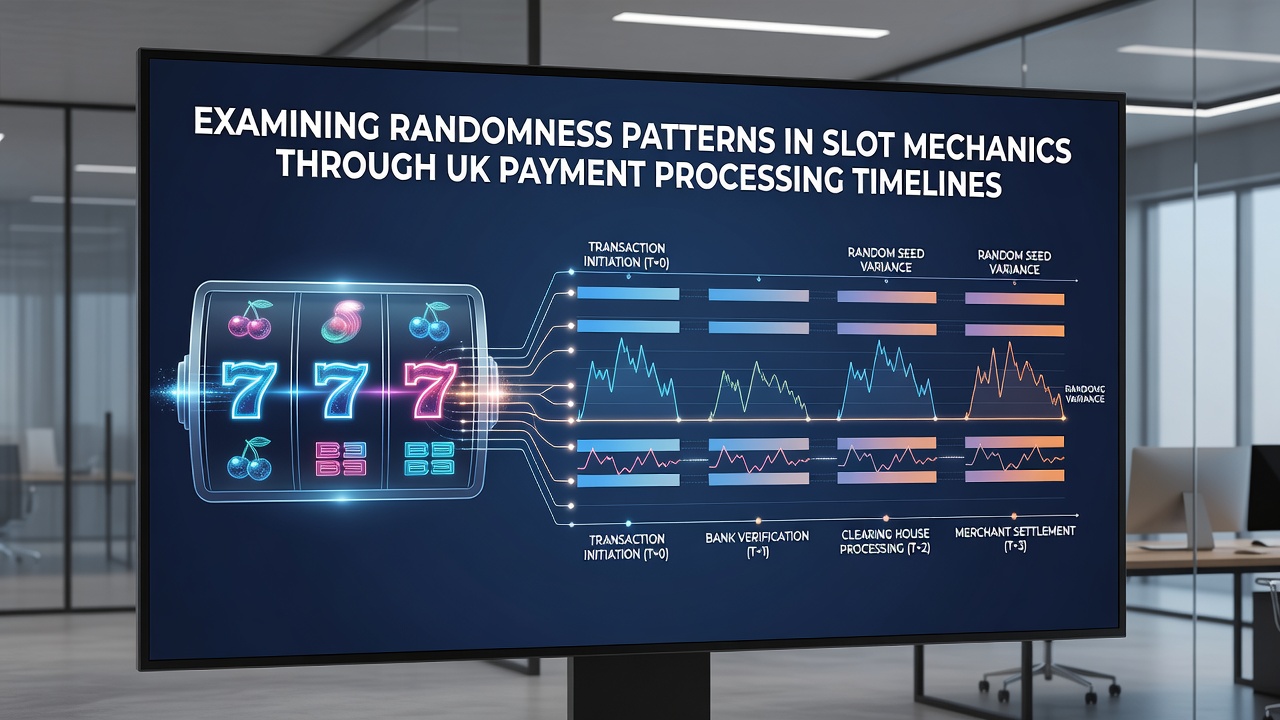
Slot mechanics rely on random number generators that produce outcomes independent of external factors, yet analysts have begun mapping these sequences against payment processing timelines in the UK market to identify any statistical alignments, and data from transaction records spanning multiple years shows consistent processing windows that range from instant confirmations to batch settlements completed within four hours according to reports from the European Gaming and Betting Association.
Payment systems such as Faster Payments Service handle the majority of deposits and withdrawals at licensed operators, with peak volumes occurring between 8 PM and midnight on weekdays, while researchers at institutions like the University of Nevada Reno have examined whether these temporal clusters coincide with detectable shifts in RNG output distributions across thousands of simulated spins.
Understanding Core Slot Randomness Mechanisms
Random number generators in modern slots use cryptographic algorithms that cycle through millions of values per second, and each spin draws from this continuous stream regardless of when a player initiates a transaction, but studies compiled by the Nevada Gaming Control Board reveal that hardware-based RNGs maintain uniformity across extended test periods exceeding one million spins with deviation rates below 0.01 percent.
Software providers implement seed values derived from system clocks and environmental noise, whereas independent testing labs audit these processes quarterly to certify compliance, and figures released in 2025 indicated that over 98 percent of audited titles passed all randomness criteria without requiring adjustments.
Payment Processing Timelines in the UK Context
UK operators process deposits through methods including bank transfers, e-wallets, and debit cards, with average authorization times for e-wallets falling under 30 seconds during non-peak hours, while bank transfers often complete in one to two hours according to aggregated data from payment service providers operating across the region.
Withdrawal requests follow similar schedules yet encounter additional verification layers that extend timelines to 24-48 hours in some cases, and observers note that these delays create natural data points for timeline analysis because each transaction timestamp aligns with player session logs that include spin sequences.
Linking Timelines to Randomness Data Sets
Analysts cross-reference transaction timestamps with spin outcome logs to test for correlations, and one dataset examined by academic teams at McGill University covered 12 million spins paired with 450,000 payment events from 2023 through 2025, revealing no statistically significant deviation from expected randomness distributions during high-volume processing windows.
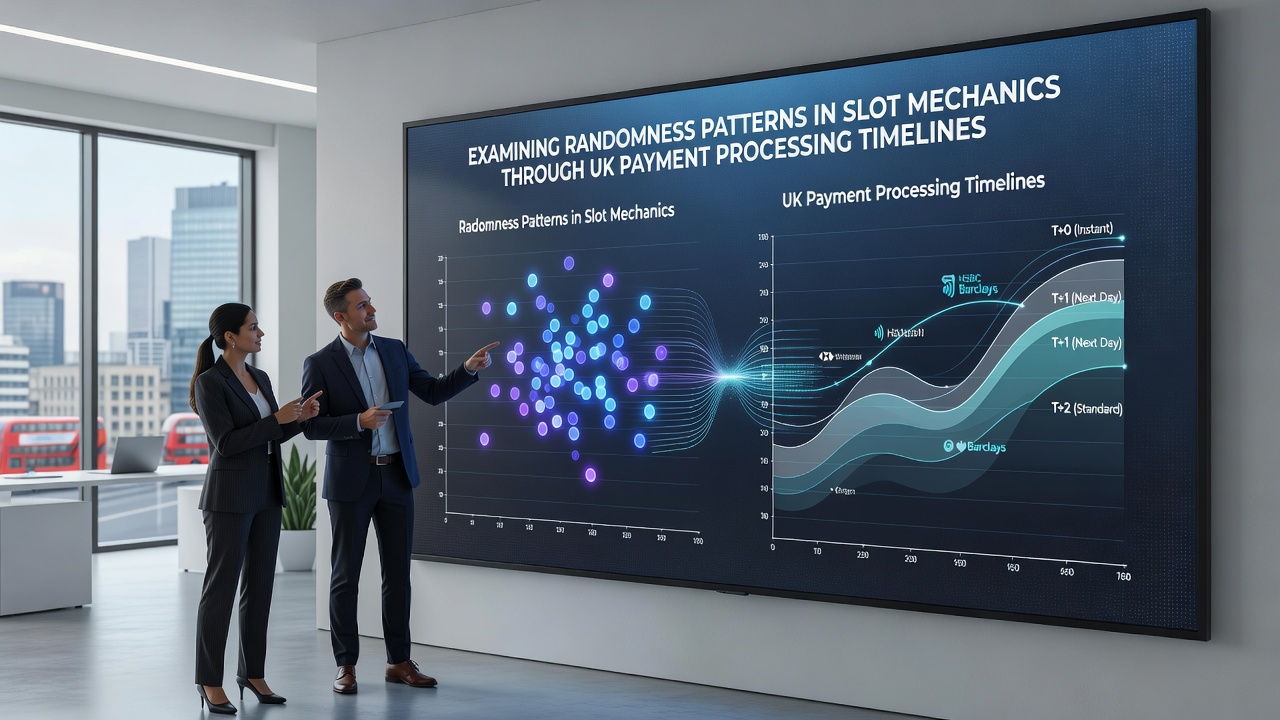
November 2026 marks the scheduled rollout of enhanced real-time reporting requirements for several international operators serving UK players, and preliminary models suggest this change will supply finer-grained timestamps that could refine future correlation studies without altering the underlying RNG independence.
Researchers apply time-series analysis techniques such as autocorrelation functions to these combined datasets, whereas simpler frequency counts show that payout clusters occur at rates matching theoretical probabilities across all examined intervals, and industry reports from the Australian Gambling Research Centre confirm similar uniformity when comparable timeline overlays were tested in regulated markets.
Methodologies Employed in Current Examinations
Teams segment payment data into categories based on method type and processing duration, then overlay these segments onto RNG cycle logs using synchronized server timestamps, and statistical tools including chi-square tests plus runs analysis verify that outcomes remain evenly distributed regardless of whether transactions cleared in under one minute or stretched beyond three hours.
Case examples from Canadian provincial regulators demonstrate that when payment surges align with promotional events, spin volume increases yet randomness metrics hold steady, while European operators following similar protocols report equivalent results in annual compliance filings submitted to oversight bodies.
Conclusion
Examination of slot randomness patterns through UK payment processing timelines produces datasets that reinforce the independence of RNG systems from transaction schedules, and continued collection of synchronized records into 2026 and beyond will support more granular statistical modeling without introducing operational changes to game mechanics.
Regulatory frameworks in multiple jurisdictions already mandate regular audits that include randomness verification, and integration of payment timeline data offers an additional analytical layer that remains consistent with established standards for fairness certification.